 Front Range, Eastern Slope, Rocky Mountains

Tom Schweich
|
Front Range, Eastern Slope, Rocky Mountains
| Checklist Flora of Native and Naturalized Vascular Plants of Golden and Vicinity, Jefferson County, Colorado (Continued) |
|
|
Tom Schweich |

Topics in this Article: Introduction Geography History of Botanic Exploration and Publication Useful Publications Methods Results Discussion Conclusion Acknowledgements Literature Cited |
Golden, Colorado sits in a valley formed by erosion along the Golden fault, the geotectonic boundary between the North American Cordillera and the Great Plains. Somewhat like Mono Lake, for which I have also prepared a checklist flora, it sits at a boundary, or perhaps ecotone. Things are always more interesting at the boundaries. I started this project when I realized no such list had been prepared for my newly adopted city. I hope you find this checklist flora helpful. Please write to me if you have questions or comments. | ||||||||||||||||||||||||||||||||||||||||||||||||||||||||||||||||||||||||||||||||||||||||||||||||||||||||||||||||||||||||||||||||||||||||||||||||||||||||||||||||||||||||||||||||||||
|
|
Results | ||||||||||||||||||||||||||||||||||||||||||||||||||||||||||||||||||||||||||||||||||||||||||||||||||||||||||||||||||||||||||||||||||||||||||||||||||||||||||||||||||||||||||||||||||||
|
Images:
|
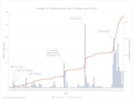
Collections FoundThere are about 2,300 collections that have been made in Golden and vicinity. Collecting events have been sporadic at best. This oldest known collection is of Crataegus succulenta made by an unknown collector in 1822. Marcus E. Jones is credited with a number of collections in 1878. A little caution is required for Jones' collections, though, as his localities were often loosely interpreted. Mrs. Ella Bailar made a blip in 1905. Then the collections by Ernest H. Brunquist in support of the Magic Mountain archleogical dig standout. Loraine Yeatts entry into the world of botany is a standout in 1983. Finally, my own work had increased the number of collections by more than 50% at the end of 2018. A map of known georeferenced plant collections made in or near Golden s.l.is shown at left.
| ||||||||||||||||||||||||||||||||||||||||||||||||||||||||||||||||||||||||||||||||||||||||||||||||||||||||||||||||||||||||||||||||||||||||||||||||||||||||||||||||||||||||||||||||||||
|
|
Major Collectors in Golden and Vicinity | ||||||||||||||||||||||||||||||||||||||||||||||||||||||||||||||||||||||||||||||||||||||||||||||||||||||||||||||||||||||||||||||||||||||||||||||||||||||||||||||||||||||||||||||||||||
Collections found by collector, as of December 31, 2025:
| |||||||||||||||||||||||||||||||||||||||||||||||||||||||||||||||||||||||||||||||||||||||||||||||||||||||||||||||||||||||||||||||||||||||||||||||||||||||||||||||||||||||||||||||||||||
Loraine Yeatts | |||||||||||||||||||||||||||||||||||||||||||||||||||||||||||||||||||||||||||||||||||||||||||||||||||||||||||||||||||||||||||||||||||||||||||||||||||||||||||||||||||||||||||||||||||||
Janet L. Wingate | |||||||||||||||||||||||||||||||||||||||||||||||||||||||||||||||||||||||||||||||||||||||||||||||||||||||||||||||||||||||||||||||||||||||||||||||||||||||||||||||||||||||||||||||||||||
Ernest H. BrunquistErnest Herman Brunquist (1888 - 1978)
| |||||||||||||||||||||||||||||||||||||||||||||||||||||||||||||||||||||||||||||||||||||||||||||||||||||||||||||||||||||||||||||||||||||||||||||||||||||||||||||||||||||||||||||||||||||
|
Literature Cited:
Other articles:
|
William S. HuestisSometimes spelled “Heustis,” William S. Huestis collected primarily in 1904-1906, and then again in 1916. There are a total of 768 collections attributed to Huestis, 707 of which are at COLO (SEINet, 2025). He collected mostly around Denver at such places described as “Cherry Creek near Alameda Street” or Berkeley. He must have ridden the street car like Alice Eastwood because there are a number of collections in Jefferson County along Clear Creek, including Wheat Ridge. There are only five collections that specifically say “Golden” and a few more from Lookout Mountain, mountains around Golden. William S. Huestis graduated from the University of Colorado, College of Liberal Arts, in 1910 (The Coloradoan, 1910). Among his other collections, the first collection of Russian olive (Elaeagnus angustifolia) was made by Huestis on 6/21/1914 in Berkeley Park, Denver (SEINet, 2026). William Seaver Huestis died 13 April 1920 at age 37 in Denver, Colorado (WikiTree, 2026, https://www.wikitree.com/wiki/Huestis-267)
| ||||||||||||||||||||||||||||||||||||||||||||||||||||||||||||||||||||||||||||||||||||||||||||||||||||||||||||||||||||||||||||||||||||||||||||||||||||||||||||||||||||||||||||||||||||
|
Literature Cited:
|
Marcus E. JonesMarcus E. Jones only visits to the Golden area were in 1878. He writes in his notes… On the 17th. Got 255 and others in the foothills near Golden and at Golden. On the 20th, got 268, 273 and others at Golden, and 226-238, 246, 256-267, 270-272, 274-275 in Clear Creek Canyon going toward Idaho Springs. … August 1st. Got 528-532 at Idaho Springs, 522-523 at Golden. On the 2nd. 524-527 on the road to Denver. … | ||||||||||||||||||||||||||||||||||||||||||||||||||||||||||||||||||||||||||||||||||||||||||||||||||||||||||||||||||||||||||||||||||||||||||||||||||||||||||||||||||||||||||||||||||||
|
|
Collections MadeThese are the collections that I have made. | ||||||||||||||||||||||||||||||||||||||||||||||||||||||||||||||||||||||||||||||||||||||||||||||||||||||||||||||||||||||||||||||||||||||||||||||||||||||||||||||||||||||||||||||||||||
|
|
Floristic Overview of Golden | ||||||||||||||||||||||||||||||||||||||||||||||||||||||||||||||||||||||||||||||||||||||||||||||||||||||||||||||||||||||||||||||||||||||||||||||||||||||||||||||||||||||||||||||||||||
|
|
Most Speciose Families | ||||||||||||||||||||||||||||||||||||||||||||||||||||||||||||||||||||||||||||||||||||||||||||||||||||||||||||||||||||||||||||||||||||||||||||||||||||||||||||||||||||||||||||||||||||
|
Last updated: 21 Nov 2026 | |||||||||||||||||||||||||||||||||||||||||||||||||||||||||||||||||||||||||||||||||||||||||||||||||||||||||||||||||||||||||||||||||||||||||||||||||||||||||||||||||||||||||||||||||||||
|
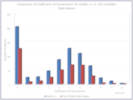
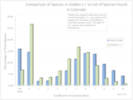
Four families, Asteraceae, Poaceae, Rosaceae, and Brassicaceae, account for 39% of all taxa found in Golden s.l., and 42% of the non-native taxa. | |||||||||||||||||||||||||||||||||||||||||||||||||||||||||||||||||||||||||||||||||||||||||||||||||||||||||||||||||||||||||||||||||||||||||||||||||||||||||||||||||||||||||||||||||||||
|
|
Taxa represented by single collections. | ||||||||||||||||||||||||||||||||||||||||||||||||||||||||||||||||||||||||||||||||||||||||||||||||||||||||||||||||||||||||||||||||||||||||||||||||||||||||||||||||||||||||||||||||||||
|
|
Floristic Quality Assessment | ||||||||||||||||||||||||||||||||||||||||||||||||||||||||||||||||||||||||||||||||||||||||||||||||||||||||||||||||||||||||||||||||||||||||||||||||||||||||||||||||||||||||||||||||||||
|
Literature Cited:
Other articles:
|
A fundamental job of conservation practitioners and land managers is to quickly assess the relative biological value of land parcels and their species. Floristic Quality Assessment is a method that has been refined over several decades. Spyreas (2019) is a good summary. Coefficient of Conservatism data for Colorado has been published in Smith, Doyle, and Lemly (2020). I have had to make some adjustments to their data, such as when infraspecific names are not available, or when names have changed. Since my "plots" are open space parcels with widely varying sizes, the mean coefficient of conservatism is probably more meaningful than floristic quality index. A higher number is better. A Mean C above 3.5 indicates sufficient quality to be considered a "natural area". The table below is made with the available presence data from collections and observations and must be treated as preliminary. Some plots require additional survey to fill out the data. | ||||||||||||||||||||||||||||||||||||||||||||||||||||||||||||||||||||||||||||||||||||||||||||||||||||||||||||||||||||||||||||||||||||||||||||||||||||||||||||||||||||||||||||||||||||
|
Last updated: 13 May 2026 | |||||||||||||||||||||||||||||||||||||||||||||||||||||||||||||||||||||||||||||||||||||||||||||||||||||||||||||||||||||||||||||||||||||||||||||||||||||||||||||||||||||||||||||||||||||
|
Images:
|
| ||||||||||||||||||||||||||||||||||||||||||||||||||||||||||||||||||||||||||||||||||||||||||||||||||||||||||||||||||||||||||||||||||||||||||||||||||||||||||||||||||||||||||||||||||||
|
|
Rare Plants | ||||||||||||||||||||||||||||||||||||||||||||||||||||||||||||||||||||||||||||||||||||||||||||||||||||||||||||||||||||||||||||||||||||||||||||||||||||||||||||||||||||||||||||||||||||
|
There are three plants found in Golden s.l. that are ranked as “rare” by the Colorado Natural Heritage Program. | |||||||||||||||||||||||||||||||||||||||||||||||||||||||||||||||||||||||||||||||||||||||||||||||||||||||||||||||||||||||||||||||||||||||||||||||||||||||||||||||||||||||||||||||||||||
|
Literature Cited:
Other articles:
|
Physaria vitulifera Rydb. “Fiddleleaf Twinpod”Global Rank: G3, State Rank: S3: Vulnerable, found locally in a restricted range. Reported as an endemic of central Colorado in the Flora of North America (FNA Vol. 7). Known from Boulder, Clear Creek, Douglas, El Paso, Gilpin, Jefferson, Park and Teller counties. For a time, it was thought that there was a hybrid, designated Physaria ×1, between P. vitulifera and P. bellii. However, recent phylogenetic work has shown that the putative hybrid fit within the concept of P. vitulifera (Wichmann, 2023). | ||||||||||||||||||||||||||||||||||||||||||||||||||||||||||||||||||||||||||||||||||||||||||||||||||||||||||||||||||||||||||||||||||||||||||||||||||||||||||||||||||||||||||||||||||||
|
|
Spiranthes diluvialis Sheviak. “Ute Ladies' Tresses” | ||||||||||||||||||||||||||||||||||||||||||||||||||||||||||||||||||||||||||||||||||||||||||||||||||||||||||||||||||||||||||||||||||||||||||||||||||||||||||||||||||||||||||||||||||||
|
Literature Cited:
|
Global Rank: G2G3, State Rank: S2: Widely distributed, but severely threatened where it occurs. Populations of Ute ladies'-tresses orchids are known from three broad general areas of the interior western United States -- near the base of the eastern slope of the Rocky Mountains in southeastern Wyoming and adjacent Nebraska and north-central and central Colorado; in the upper Colorado River basin, particularly in the Uinta Basin; and in the Bonneville Basin along the Wasatch Front and westward in the eastern Great Basin, in north-central and western Utah, extreme eastern Nevada, and southeastern Idaho. The species is threatened throughout its range by many forms of water developments, intense domestic livestock grazing, haying, exotic species invasion, fragmentation and urbanization in particular. In Golden s.l., we do not identify locations where this plant has been found. | ||||||||||||||||||||||||||||||||||||||||||||||||||||||||||||||||||||||||||||||||||||||||||||||||||||||||||||||||||||||||||||||||||||||||||||||||||||||||||||||||||||||||||||||||||||
|
|
Smilax lasioneura Hook. Fl. Bor.-Amer. 2: 173 [as lasioneuron] “Blue Ridge Carrionflower”An observation in Kinney Run was made in 2021 (Sovell and Panjabi, 2021) and there is a collection on Lookout Mountain more than 125 years ago. More recently, an iNaturalist observation was made in 2026 in the Grant Terry Open Space. Smilax lasioneura is dioecious, with separate staminate (male) and pistillate (female) plants. Of the ten stems observed in Grant Terry Open Space, two had clusters of fruit and are therefore pistillate. The other eight stems are indeterminate. Both Golden occurrences are climbing through the shaded mesic thickets near water. In the Grant Terry Open Space the associated canopy species are Celtis reticulata, Prunus americana, P. virginiana, and a tree-form willow that I failed to identify. Understory species include Toxicodendron rydbergii (a lot), Conium maculatum, Heterotheca villosa, Lactuca serriola, Berberis repens, Lathyrus latifolia (rampant), a Clematis (ligusticifolium or orientale), Rosa arkansana, Bromus inermis, and Dactylis glomerata. This occurrence is likely responding to trailside edge dynamics in that trail construction may have resulted in increased sunlight, moisture collection, and reduced competition. I was unable to see whether there were additional stems of S. lasioneura back in the undisturbed thicket. Colorado Natural Heritage Program (CNHP) lists S. lasioneura as an uncommon watchlist species (S3S4). There are several Jefferson County collections at Rocky Flats and the mouth of Coal Creek Canyon, and a couple more from Deer Creek near Chatfield Farms. The author has seen it at Lippincott Ranch. Smilax lasioneura was described by Sir William J. Hooker (1838) from a collection by Dr. Richardson at the Carlton House Fort on the Saskatchawan (sic). While Hooker proposed the specific epithet lasioneuron, Smilax is a feminine noun and under botanical rules, adjectival specific epithets must agree in gender. Therefore, Smilax lasioneura is considered the nomenclatural correct spelling. | ||||||||||||||||||||||||||||||||||||||||||||||||||||||||||||||||||||||||||||||||||||||||||||||||||||||||||||||||||||||||||||||||||||||||||||||||||||||||||||||||||||||||||||||||||||
| [Previous Page] [Next Page] | |||||||||||||||||||||||||||||||||||||||||||||||||||||||||||||||||||||||||||||||||||||||||||||||||||||||||||||||||||||||||||||||||||||||||||||||||||||||||||||||||||||||||||||||||||||
| If you have a question or a comment you may write to me at: tomas@schweich.com I sometimes post interesting questions in my FAQ, but I never disclose your full name or address. |
Date and time this article was prepared: 11/25/2026 8:37:35 PM |